
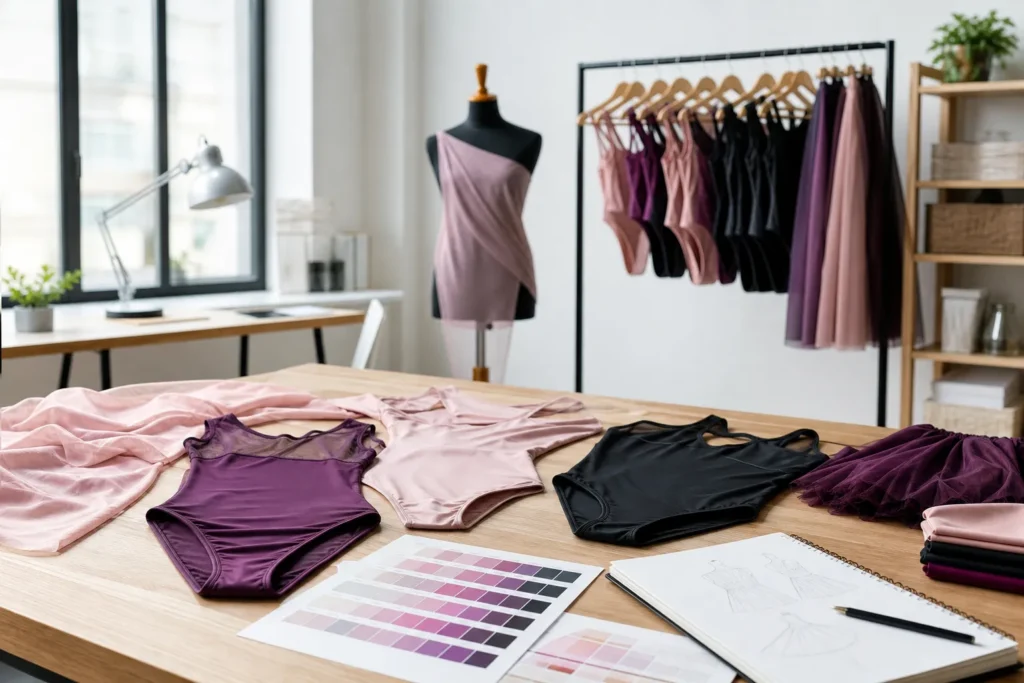
Navigating Dancewear Customization for Studios: Enhance Your Brand Identity
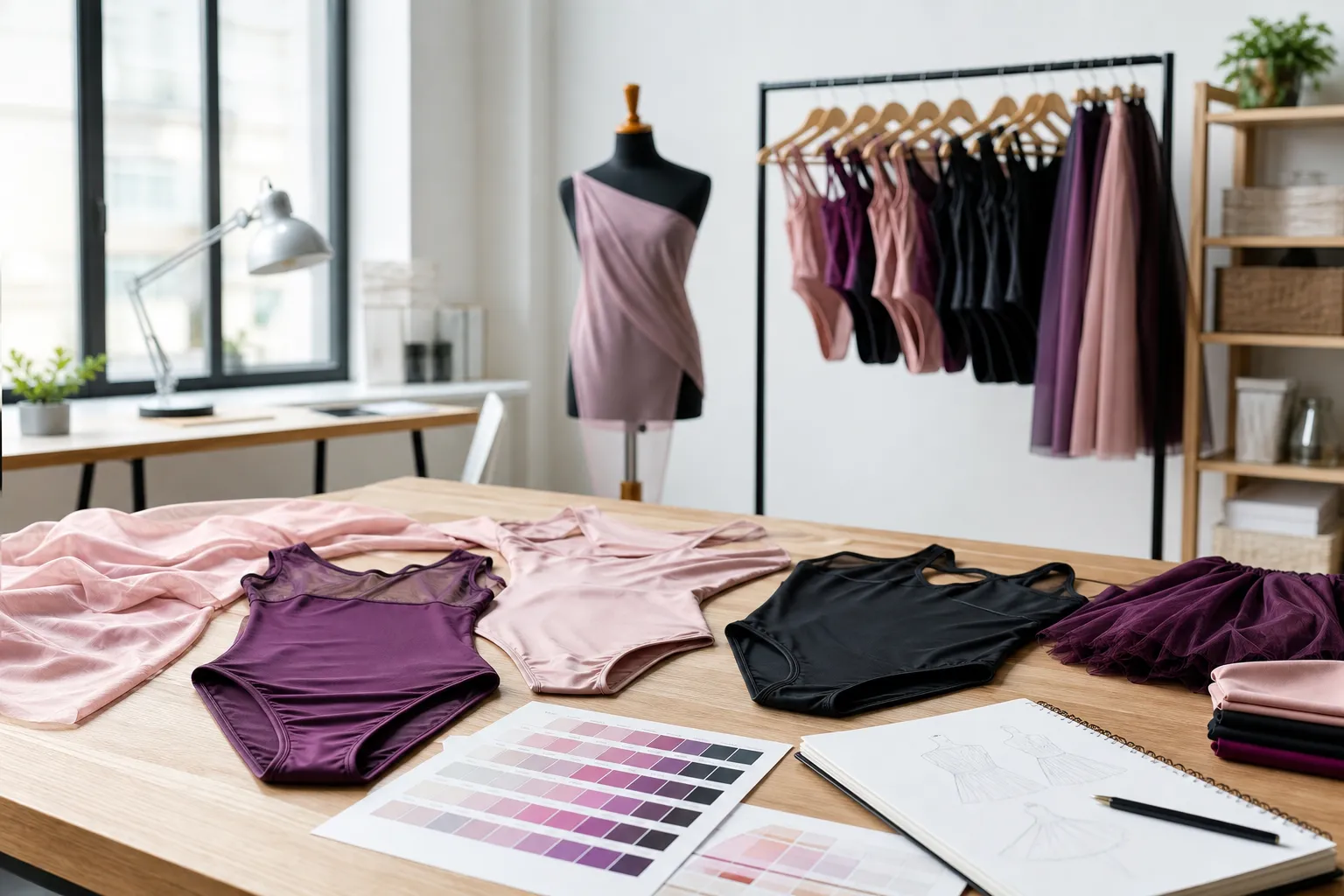
In today’s competitive dance studio landscape, the power of customized dancewear cannot be overstated. It serves not only as a means of enhancing a studio’s brand identity but also fosters a sense of community among dancers. Customized dancewear allows studios to present a unique image that resonates with their values and artistic vision. With an array of options available—from colors and fabrics to logos and designs—it’s clear that customization is more than just an aesthetic choice; it plays a crucial role in performance, comfort, and team spirit.
Dancewear options, which include leotards, tights, skirts, and warm-up gear, cater to diverse styles and levels of dance. It’s essential for studios to grasp the significance of customization to stand out in a saturated market. This article delves into the pivotal aspects of dancewear customization, providing valuable insights for studios eager to elevate their offerings.
Key Specifications for Dancewear Customization
When venturing into dancewear customization, there are several specifications that studios must consider to ensure the final product meets the needs of both dancers and the studio.
- Fabric Choices and Performance: The fabric selection is crucial in dancewear customization. Fabrics should be breathable, stretchable, and durable to withstand the rigors of movement. Common choices include spandex blends, cotton, and moisture-wicking materials. Each fabric type has its unique benefits, so understanding the performance needs of dancers is essential. For further insights on fabric choices, refer to this industry reference.
- Sizing and Fit Considerations: Proper sizing and fit are paramount for comfort and performance. Dancewear should enable a full range of motion while fitting snugly enough to prevent distractions during performances. Offering a variety of sizes, including custom measurements, can help studios accommodate dancers of all shapes and sizes.
- Design Elements and Branding: Customization extends to design elements such as color schemes, patterns, and logos. Integrating a studio’s branding into the dancewear not only enhances brand recognition but also instills pride among dancers. Collaborating with designers can bring forth distinctive looks that resonate with the studio’s identity.
Use Cases for Customized Dancewear
Customized dancewear plays various roles within a dance studio, each necessitating specific considerations.
- Performance Teams vs. Recreational Classes: Performance teams often require specialized attire that aligns with their choreography and themes, while recreational classes may benefit from more casual and versatile designs. Understanding the unique needs of each group is essential for creating appropriate and appealing options.
- Special Events and Competitions: Customized dancewear can elevate a team’s visual impact during competitions and special events. Unique designs that reflect the theme of a performance can differentiate a studio from its competitors and boost dancers’ confidence.
- Merchandise Opportunities: Customized dancewear can also represent a merchandising opportunity. Offering branded apparel for sale can help studios generate additional revenue while promoting their brand beyond the studio environment.
Comparing Dancewear Manufacturers
Choosing the right dancewear manufacturer is critical for ensuring quality and timely delivery.
- Quality vs. Cost Analysis: While cost is a significant factor, it should not come at the expense of quality. Evaluating the materials and craftsmanship of potential manufacturers can help studios find a balance between quality and affordability. For a thorough look at dancewear manufacturing, check out our product offerings.
- Turnaround Times and Production Capabilities: Different manufacturers have varying turnaround times and production capabilities. Studios should inquire about these aspects to ensure they can meet deadlines, especially during peak seasons like competitions.
- Customer Support and Service: Reliable customer support is paramount during the customization process. A manufacturer that offers clear communication and assistance throughout the order process can significantly enhance the experience for studio owners.
Sourcing Dancewear Customization Services
Finding the right supplier for dancewear customization requires careful thought.
- Finding Reliable Suppliers: Researching potential suppliers through reviews, referrals, and industry connections can lead to trustworthy partners. Attending trade shows or exhibitions can also provide opportunities to meet manufacturers face-to-face.
- Evaluating Samples and Prototypes: Before committing to a large order, studios should request samples or prototypes to assess quality, fit, and design. This crucial step ensures that the final product meets expectations.
- Understanding Minimum Order Quantities: Many manufacturers set minimum order quantities, impacting budgeting and inventory management. Studios should clarify these requirements upfront to prevent surprises later in the process.
Implementing Dancewear Customization in Your Studio
Once a studio decides to pursue dancewear customization, there are several effective steps to implement the process.
- Budgeting for Customization: Customization can incur significant costs, so establishing a clear budget is essential. This budget should encompass fabric, design, manufacturing, and shipping costs.
- Collaborating with Designers: Partnering with designers who understand the nuances of dancewear can lead to innovative and functional designs. Collaborative efforts ensure that the final product aligns with the studio’s vision and dancers’ needs.
- Timeline for Orders and Delivery: Setting a realistic timeline for orders and delivery is crucial to avoid last-minute rushes. Studios should account for production times and potential delays to guarantee that the dancewear arrives on schedule.
Frequently Asked Questions
- What is the typical lead time for custom orders? Lead times can vary based on the manufacturer, typically ranging from 4 to 8 weeks.
- How do I choose the right manufacturer? Evaluate potential manufacturers based on quality, cost, turnaround times, and customer service.
- Can I make changes to my order after it’s placed? Many manufacturers allow changes within a specific timeframe, but it’s advisable to confirm their policy before placing an order.
In conclusion, navigating the world of dancewear customization involves careful planning and consideration. By understanding the specifications, sourcing reliable manufacturers, and implementing effective strategies, dance studios can successfully enhance their offerings, foster team spirit, and promote their brand identity through customized dancewear.