
Exploring Dance Socks: Essential Accessories for Every Dancer’s Wardrobe
Introduction to Dance Socks
In the dynamic world of dance, performance and comfort are undeniably crucial. Dancers depend on a variety of accessories to enhance their skills and express their artistry, making these items vital to any dancer’s wardrobe. Among these accessories, dance socks hold a significant role. They are not mere garments; they are meticulously designed to cater to the unique needs of dancers, offering the necessary support and functionality while ensuring style.
Dance socks come in an array of types, materials, and designs, tailored to meet the diverse requirements of various dance styles. Understanding the importance of these specialized accessories can greatly assist dancers in optimizing their performance and maintaining comfort during both practice and performances.
Types of Dance Socks
When considering dance socks, several types stand out, each with its own distinct features:
- Material Variations: Dance socks are commonly crafted from materials such as cotton, nylon, and spandex. Cotton provides breathability and comfort, while nylon is known for its durability and snug fit. Spandex, often blended with other fabrics, offers flexibility and ease of movement.
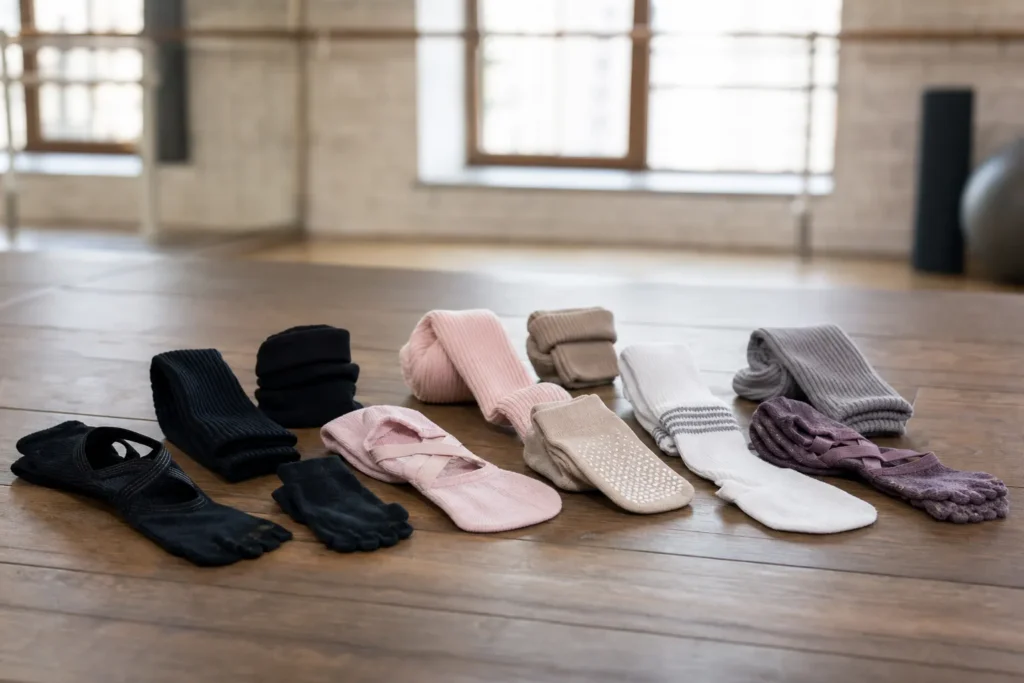
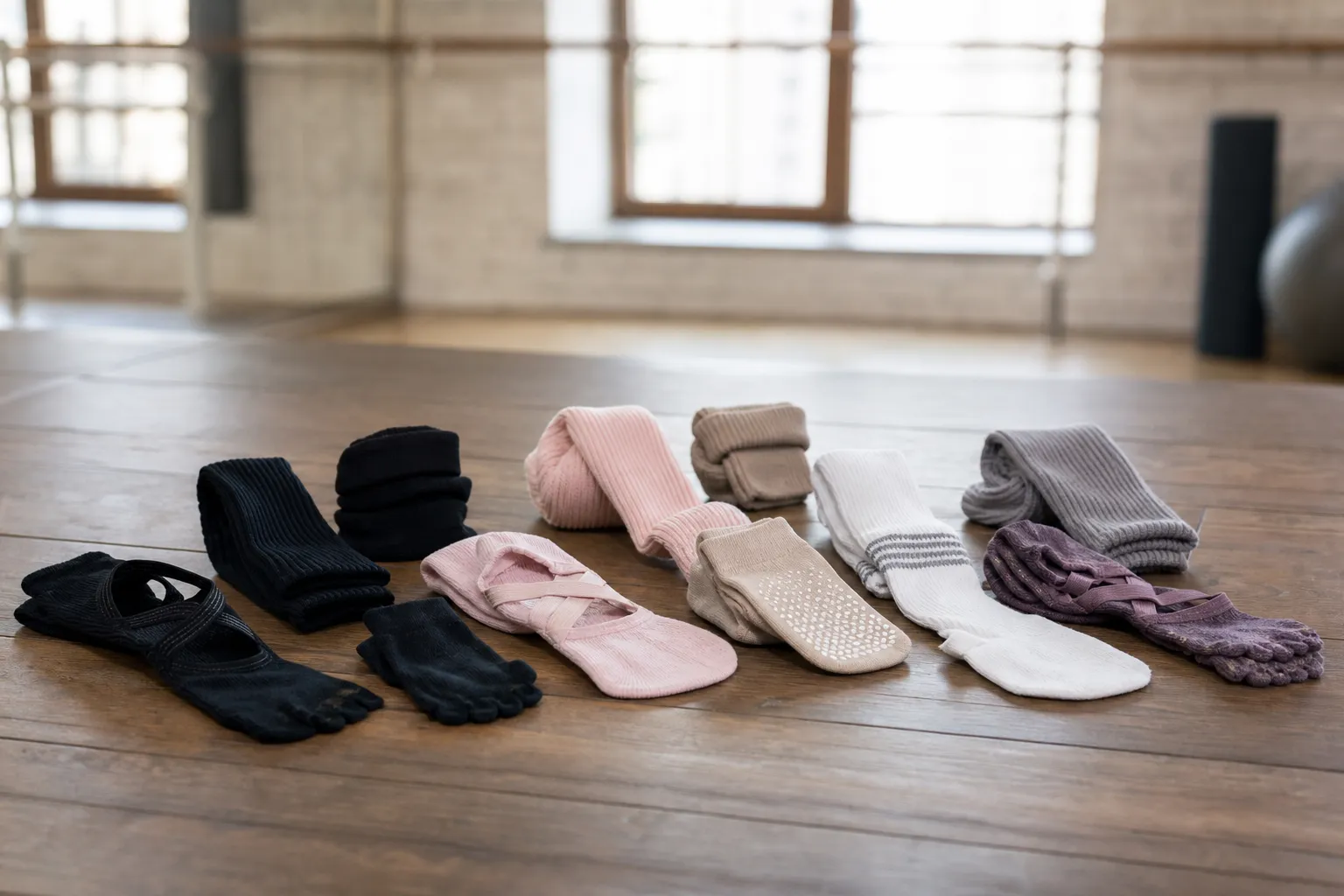
- Styles and Designs: Dance socks are available in various styles, including ankle-length, knee-high, and footed options. Some designs include grips on the soles to prevent slipping, which can be especially beneficial for ballet and contemporary dancers.
- Size and Fit Considerations: Achieving the right fit is critical for dance socks. They should hug the feet snugly without being overly tight, allowing for a full range of motion without discomfort. Sizing typically ranges from small to extra-large, so it’s essential for dancers to choose the correct size based on their foot measurements.
Benefits of Using Dance Socks
The advantages of incorporating dance socks into a dancer’s wardrobe are numerous:
- Enhancing Performance: Dance socks are engineered to improve grip and traction on the dance floor, empowering dancers to execute complex movements with confidence. In my experience, the right pair of socks can significantly impact a dancer’s ability to perform at their best.
- Comfort and Support: With their specialized materials and designs, dance socks offer cushioning and support that can mitigate fatigue during lengthy practice sessions. This added comfort allows dancers to focus more on their technique rather than any discomfort.
- Injury Prevention: Dance is demanding on the feet, and the right dance socks can help in preventing injuries. By providing essential support and reducing friction, they can significantly lower the risk of blisters and other foot-related issues.
Sourcing Dance Socks
For dance studios and retailers, sourcing high-quality dance socks is essential. Here are some vital considerations:
- Choosing a Reliable Dance Accessories Supplier: Collaborating with a reputable dance accessories supplier ensures that you receive top-notch products. It’s wise to look for suppliers with a solid reputation, positive reviews, and a diverse selection of dancewear and accessories.
- Factors to Consider When Sourcing: When sourcing dance socks, consider aspects such as material quality, design options, and pricing. It’s also important to evaluate the supplier’s capacity to meet your specific needs, including bulk orders and customization options.
- Cost Analysis and Budgeting: Establishing a budget for dance socks is crucial. While premium socks may come with a higher upfront cost, they often provide enhanced durability and performance, making them a worthy investment.
Comparing Dance Socks with Other Accessories
To appreciate the unique benefits of dance socks, it’s helpful to compare them with other common accessories:
- Dance Socks vs. Traditional Socks: Traditional socks are typically designed for casual wear and lack the specialized features necessary for dance. Dance socks, on the other hand, offer superior grip, support, and moisture-wicking capabilities.
- Dance Socks vs. Footed Tights: While footed tights provide coverage and warmth, they may not deliver the same level of grip and support as dance socks. Dancers often prefer socks for styles that require more foot movement and flexibility.
- Pros and Cons of Each Option: Dance socks excel in performance and comfort, while traditional socks are more versatile for everyday use. Footed tights may be suitable for specific dance styles but may restrict movement compared to socks.
Implementation in Dancewear
Integrating dance socks into a dancer’s wardrobe is quite straightforward:
- Integrating Dance Socks into Dancewear: Dance socks can be paired with various dancewear, including leotards, shorts, and leggings. Their versatility allows dancers to mix and match styles while ensuring comfort and performance.
- Recommendations for Different Dance Styles: For ballet, ankle-length socks with grip are recommended for enhanced stability. Contemporary dancers might prefer knee-high styles for additional warmth and support. Each dance style may have specific sock recommendations to optimize performance.
- Care and Maintenance Tips: To extend the life of dance socks, wash them in cold water and air dry. Avoid using fabric softeners, as they can diminish grip and overall performance.
Frequently Asked Questions
- What are the best materials for dance socks?: The best materials for dance socks typically encompass cotton for comfort, nylon for durability, and spandex for flexibility.
- How do I choose the right size?: Measure your foot and refer to the sizing chart provided by the supplier to select the appropriate size.
- Can dance socks be used for other activities?: Absolutely! While designed for dance, many dancers find them suitable for other activities like yoga or pilates due to their comfort and grip.
Conclusion
In conclusion, dance socks are an indispensable accessory for any dancer, enhancing performance, providing comfort, and aiding in the prevention of injuries. By understanding the types, benefits, and sourcing options for dance socks, dance studios and retailers can better equip their dancers with the essential tools needed for success. I believe that investing in quality dance socks not only supports a dancer’s performance but also elevates their overall dance experience. For more information on the types and benefits of dance socks, check this industry reference.