
The Importance of Quality Dance Shoes for Professional Training: Essential Insights for Instructors
Introduction to Dance Shoes
In the realm of dance, the right footwear can truly transform performance. Quality dance shoes are not just an accessory; they are vital tools that can significantly elevate both performance and training outcomes. For dance instructors, grasping the importance of high-quality dance shoes is essential—not only for their own practice but also for effectively guiding their students. In addition to dance shoes, the appropriate dancewear for instructors and suitable training attire play crucial roles in fostering an optimal learning and performance environment.
Specifications of Quality Dance Shoes
When it comes to selecting quality dance shoes, several specifications must be taken into account to ensure optimal performance and comfort.
- Material Considerations: Dance shoes are typically crafted from leather, canvas, or synthetic materials. Leather provides durability and breathability, while canvas is lightweight and flexible. Synthetic materials may offer innovative features but can sometimes lack the traditional feel. The choice of material not only affects the shoe’s longevity but also its interaction with the dance floor.
- Fit and Comfort: A proper fit is essential. Dance shoes should feel snug yet not restrictive, allowing for freedom of movement. Comfort is crucial, especially since instructors spend long hours on their feet. Poorly fitting shoes can lead to blisters and discomfort, which can hinder performance.
- Sole Types and Their Impact: The sole of a dance shoe varies significantly based on the dance style. Split soles offer flexibility for ballet, while full soles provide support for jazz and hip-hop. Selecting the right sole type can enhance a dancer’s technique and overall performance, making it vital to align shoe specifications with dance styles.
Use Cases for Dance Shoes in Training
Different dance styles come with unique footwear requirements, which can greatly influence training and performance.
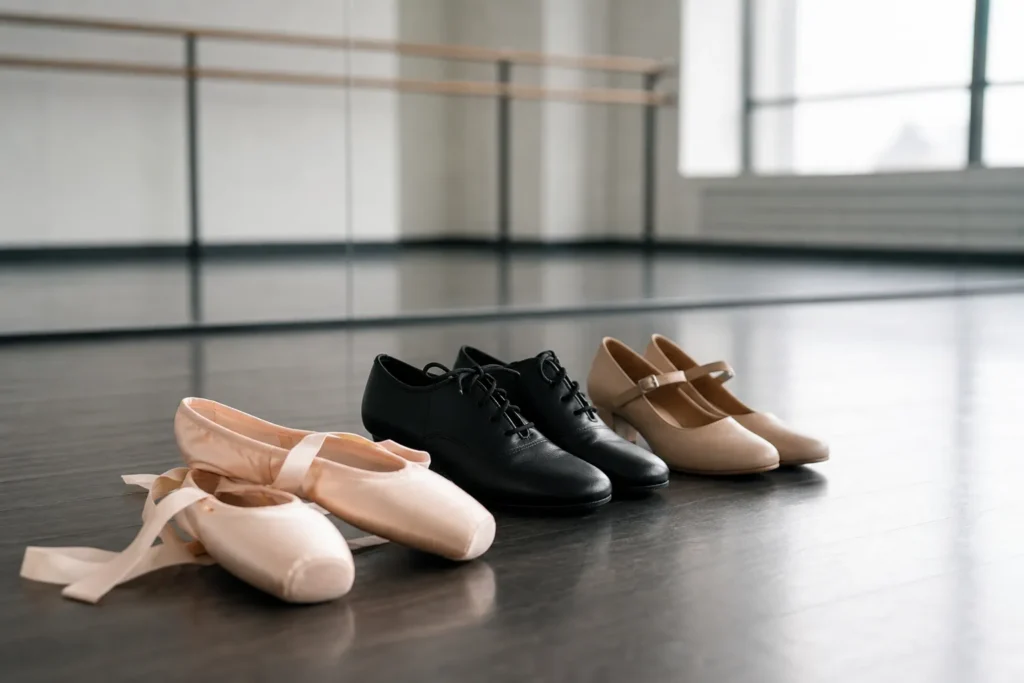
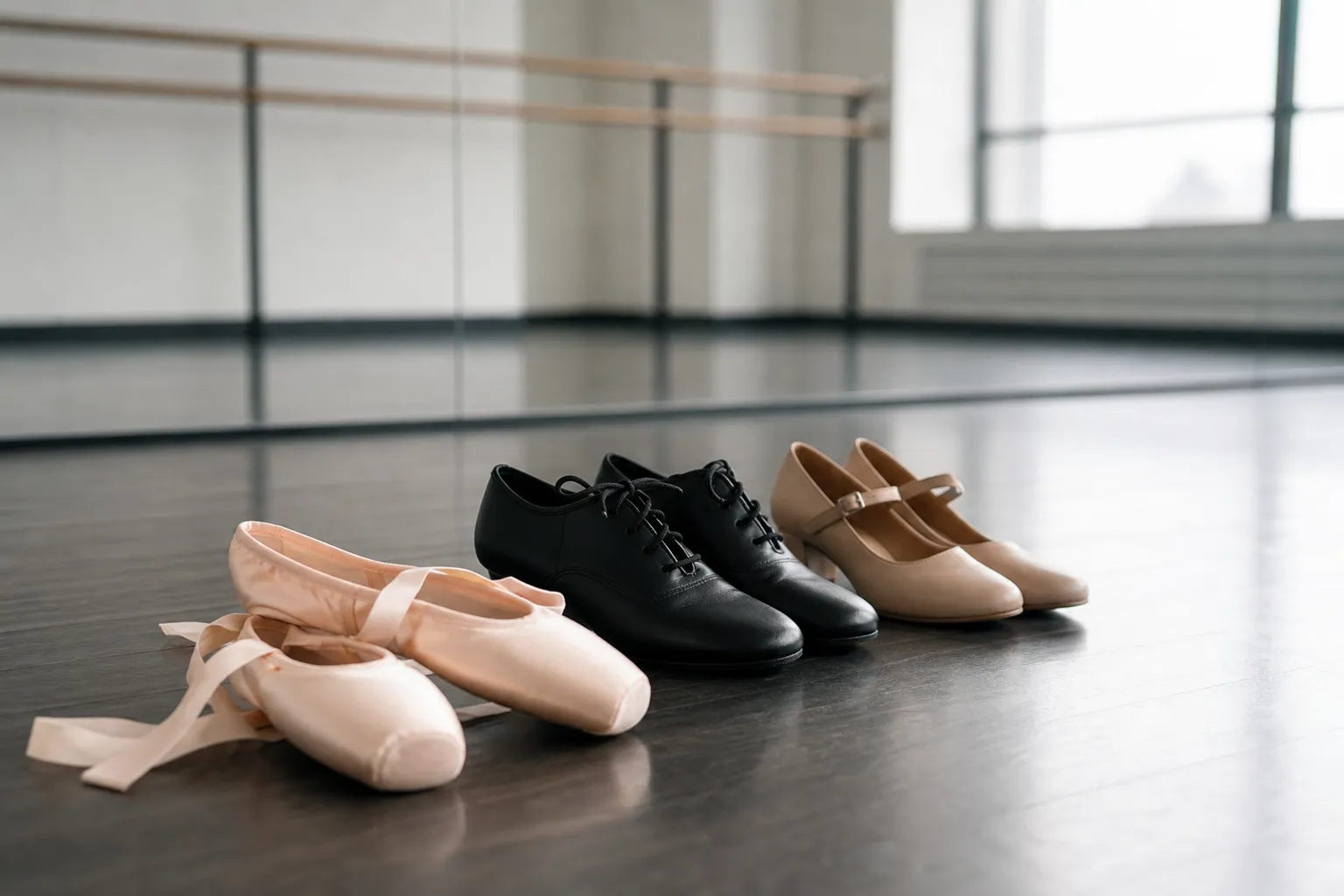
- Different Dance Styles and Shoe Requirements: Ballet, jazz, tap, and contemporary dance each have specific shoe designs tailored to their techniques. For instance, ballet necessitates pointe shoes for advanced dancers, while jazz shoes are designed for flexibility and ease of movement. Understanding these requirements is vital for instructors when advising students.
- Impact on Performance and Technique: Quality dance shoes enhance a dancer’s technique by providing the right support and traction. For example, shoes with proper arch support help dancers maintain alignment, which is essential for executing movements accurately.
- Injury Prevention and Support: One of the most significant benefits of investing in quality dance shoes is their role in preventing injuries. Shoes that offer adequate support can help reduce the risk of common dance injuries, such as ankle sprains and plantar fasciitis, allowing dancers to train more effectively and with confidence.
Comparison of Popular Dance Shoe Brands
When selecting dance shoes, instructors often gravitate towards established brands known for their quality and performance.
- Brand A vs. Brand B: Features and Benefits: For example, Brand A might be celebrated for its lightweight design and innovative materials, making it a favorite among contemporary dancers. In contrast, Brand B could be renowned for its durability and classic styles preferred by ballet instructors. Each brand offers unique features catering to different needs.
- Price Point Analysis: While higher price points often correlate with better quality, instructors should weigh their budget against the specific needs of their students. Investing in quality shoes can lead to long-term savings by reducing the frequency of replacements.
- User Reviews and Feedback: Gathering insights from fellow instructors and students can provide valuable perspectives on various shoe brands. Reviews often highlight comfort, durability, and performance, aiding instructors in making informed choices.
Sourcing Quality Dance Shoes
Finding the right source for quality dance shoes is crucial for instructors looking to equip their students effectively.
- Where to Buy: Retail vs. Online: Instructors can opt for local dance stores or online retailers. While local stores allow for trying on shoes, online platforms often boast a wider selection and competitive pricing. For an extensive range of options, consider visiting Shenzhen Hongwuqun Dancewear Co., Ltd..
- Evaluating Suppliers and Manufacturers: When sourcing shoes, it’s important to assess suppliers based on their reputation, return policies, and customer service. Reliable suppliers ensure that instructors receive quality products consistently.
- Bulk Purchasing Options for Instructors: Many suppliers offer discounts for bulk purchases, making it financially feasible for instructors to outfit their entire class with the right footwear. This not only saves money but also promotes uniformity in training attire.
Implementing Quality Dance Shoes in Training Programs
Incorporating quality dance shoes into training programs is vital for nurturing a professional learning environment.
- Integrating Shoe Selection into Curriculum: Instructors should consider including discussions about shoe selection in their curriculum. Educating students on the significance of choosing the right shoes can deepen their understanding and appreciation of the craft.
- Educating Students on Shoe Importance: Instructors can hold workshops or discussions on how proper footwear impacts performance and injury prevention, ensuring that students make informed choices.
- Monitoring Shoe Performance Over Time: Regularly assessing the condition of students’ shoes can help instructors determine when replacements are necessary, ensuring all dancers are equipped for success.
Frequently Asked Questions
- How to Choose the Right Dance Shoes?: Consider the dance style, fit, and comfort. It’s essential to try on different brands and styles to find the best match.
- What are the Signs of Worn-Out Shoes?: Look for visible wear on the soles, loss of support, and discomfort during use, which indicate it’s time for a replacement.
- How Often Should Dance Shoes be Replaced?: Generally, shoes should be replaced every 6-12 months, depending on usage and wear.
Conclusion
Quality dance shoes are essential for effective dance training and performance. For instructors, understanding the specifications, benefits, and sourcing options for dance shoes can enhance their teaching and support their students’ development. By prioritizing quality footwear, instructors not only improve their own practice but also instill good habits in their students, fostering a culture of excellence within the dance community. For further insights, refer to this industry reference from AZoM.